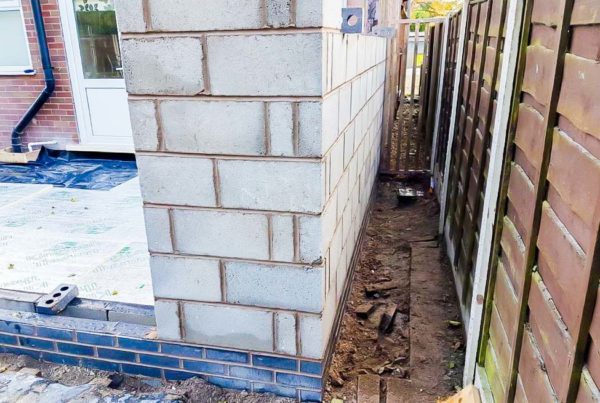


Planning a home extension is an exciting step, especially when it’s timed to make the most of the summer months. Whether you’re expanding your kitchen, creating a larger living space, or adding an entirely new area to your home, preparation is key to ensuring the project runs smoothly.
Many homeowners focus primarily on the design of their extension, but the preparation phase is just as important. Getting the groundwork right before construction begins can save time, reduce stress, and help avoid unnecessary costs.
Start With Clear Goals and Priorities
Before anything else, it’s important to define exactly what you want to achieve with your extension. Consider how the space will be used, how it will connect with the rest of your home, and what problems it needs to solve.
Having clear goals helps guide decisions around layout, size, and budget, ensuring the final result meets your expectations.
Set a Realistic Budget
Budgeting is one of the most critical parts of preparing for a home extension. Costs can vary depending on size, materials, and complexity, so it’s important to have a clear understanding of what’s achievable within your budget.
Allowing a contingency for unexpected costs is always advisable, particularly for projects involving structural work.
Understand the Timeline
A typical extension project can take several weeks to a few months, depending on the scale. Starting in spring gives you the best chance of completing the work during summer, but timelines can still vary based on weather, materials, and design complexity.
Planning ahead ensures you’re not caught off guard by delays.
Planning Permission and Regulations
Some extensions fall under permitted development rights, while others require planning permission. It’s important to establish this early to avoid delays later on.
In addition, all building work must comply with building regulations to ensure safety and structural integrity.
Preparing Your Home for Construction
Once the project is ready to begin, preparing your home for the build phase is essential.
This may include:
- Clearing access routes
- Protecting existing areas of the home
- Planning temporary living arrangements if needed
Good preparation helps minimise disruption and keeps the project running efficiently.
Choosing the Right Builder
Selecting an experienced builder is one of the most important decisions you’ll make. A reliable team will guide you through the process, manage the project effectively, and ensure high-quality workmanship throughout.
Look for builders with:
- Relevant project experience
- Strong local reputation
- Clear communication
- Transparent pricing
Common Mistakes to Avoid
Many issues with extension projects stem from poor planning. Common mistakes include:
- Underestimating costs
- Rushing design decisions
- Choosing based on price alone
- Not planning for disruption
Avoiding these pitfalls helps ensure a smoother experience.
Final Thoughts
Preparing properly for a home extension sets the foundation for a successful project. By taking the time to plan carefully, choose the right builder, and understand what’s involved, you can ensure your extension is delivered on time, on budget, and to the highest standard.
Let's build something together
If you’re considering a home extension, working with an experienced building and joinery team ensures your project is handled professionally from start to finish.