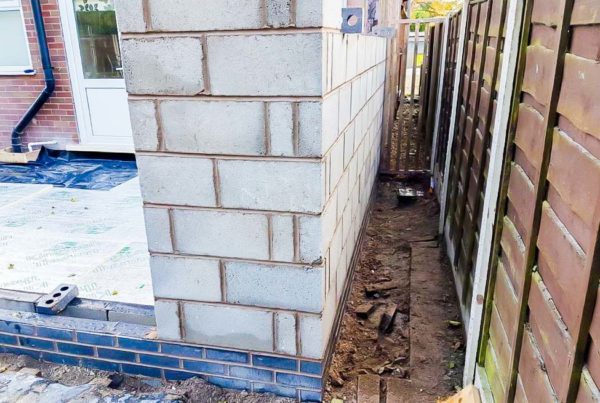


A home extension is one of the most rewarding investments you can make in your property. Whether you’re creating a larger kitchen, adding a new family room, or making space for a growing household, an extension can transform the way you live while increasing the value of your home.
However, when homeowners begin researching home extension costs, many understandably focus on the headline figure for the build itself. While construction forms the largest part of the budget, there are a number of additional costs that are often overlooked during the early planning stages.
Being aware of these from the outset doesn’t mean your project will become significantly more expensive—it simply means you can plan more effectively, avoid unexpected surprises, and make informed decisions throughout the process.
In this guide, we’ll explore the hidden costs that many homeowners don’t initially consider and explain how careful planning and choosing an experienced builder can help keep your project running smoothly.
Why Extension Costs Can Vary So Much
One of the first questions builders are asked is:
“How much will my extension cost?”
The honest answer is that every project is unique.
The overall investment depends on factors including:
- The size of the extension
- The complexity of the build
- Ground conditions
- The quality of finishes
- Structural requirements
- Existing property layout
- Access to the site
Two extensions of exactly the same size can vary considerably in cost because of what’s happening beneath the surface or inside the existing property.
Understanding this helps explain why experienced builders prefer to discuss your individual requirements rather than offering generic online estimates.
Ground Conditions Can Affect Your Budget
Before construction begins, the ground beneath your property becomes one of the biggest unknowns.
Every site is different.
Some gardens provide excellent ground conditions, while others require additional excavation or more substantial foundations before work can safely continue.
Although these factors can’t always be predicted before work starts, experienced builders understand how to manage them efficiently and communicate any findings clearly throughout the project.
Preparing a sensible contingency budget allows you to deal with these situations without unnecessary stress.
Structural Alterations Often Involve More Than Expected
Many homeowners choose an extension because they want to create a bright, open-plan living space.
Achieving this often means more than simply building an extra room.
Removing internal walls or opening up existing spaces usually involves structural alterations that ensure the property remains safe and stable.
Depending on your home’s layout, this may include:
- Installing structural steel beams
- Creating wider openings
- Supporting existing floors
- Altering internal walls
These structural elements aren’t always visible once the project is complete, but they’re fundamental to creating the open, modern spaces that many homeowners are looking for.
Updating Existing Services
When extending a property, it’s common for existing services to require alterations.
These may include:
- Electrical circuits
- Plumbing pipework
- Heating systems
- Lighting layouts
- Internet and networking cables
For example, relocating a kitchen into an extension often means completely redesigning the electrical and plumbing layouts to suit the new space.
Although these aren’t always considered during the early budgeting stage, they’re an important part of creating a practical and fully functioning extension.
Matching Existing Materials
One area that is frequently underestimated is blending the new extension with the original property.
A successful extension should look like it has always belonged there.
Achieving this often involves carefully matching:
- Brickwork
- Roofing materials
- Mortar colour
- Windows
- Doors
- External finishes
Sometimes identical materials are no longer available, meaning alternative products must be sourced that closely replicate the appearance of the original home.
This attention to detail creates a seamless finish and significantly improves the overall appearance of the completed project.
Interior Finishes Make a Big Difference
When people budget for an extension, they often focus on the structure itself.
However, it’s the interior finishes that truly transform the new space into part of your home.
These may include:
- Flooring
- Decorating
- Internal doors
- Skirting boards
- Architraves
- Lighting
- Kitchen installation
- Built-in storage
The specification you choose can have a noticeable impact on the overall budget.
For example, premium flooring or bespoke joinery may cost more initially but can provide a higher-quality finish and greater longevity.
Kitchen Costs Are Often Separate
If your extension includes a new kitchen, it’s worth remembering that the kitchen itself is often a separate investment.
The overall cost may include:
- Kitchen units
- Worktops
- Appliances
- Splashbacks
- Lighting
- Installation
The price can vary significantly depending on the design and specification you choose.
Thinking about your kitchen early in the project helps ensure the layout, services and finishes all work together.
Don’t Forget External Works
Once the extension is complete, attention often turns to the surrounding outdoor areas.
Construction may affect:
- Patios
- Paths
- Lawns
- Fencing
- Drainage
- Driveways
- Garden walls
Restoring or improving these areas helps the finished extension feel fully integrated with the rest of your property.
Many homeowners choose to complete these improvements at the same time to avoid additional disruption later.
Storage and Temporary Living Arrangements
Depending on the scale of your extension, parts of your home may become temporarily inaccessible during construction.
You may wish to consider:
- Temporary furniture storage
- Protecting valuable belongings
- Alternative cooking arrangements
- Creating temporary family spaces
Planning these practical aspects before work begins can make the construction period considerably less disruptive.
Choosing Quality Over the Lowest Price
It’s natural to compare quotations when investing in a home extension.
However, choosing purely on price can sometimes lead to unexpected costs later.
A detailed quotation should clearly explain:
- What’s included
- What’s excluded
- The quality of materials
- Project stages
- Expected timescales
Transparent quotations allow homeowners to compare like-for-like rather than simply comparing headline figures.
An experienced builder will also explain why certain elements are necessary, helping you understand exactly where your investment is going.
Communication Helps Prevent Unexpected Costs
One of the simplest ways to keep a project on budget is through regular communication.
Throughout a build, questions inevitably arise.
Having clear conversations about decisions before work progresses helps avoid unnecessary alterations later.
Experienced builders keep clients informed throughout each stage, allowing decisions to be made confidently rather than reactively.
This collaborative approach often prevents small changes becoming expensive ones.
Build a Contingency Into Your Budget
Even with careful planning, construction projects occasionally reveal unexpected challenges.
Rather than seeing this as a negative, it’s sensible to prepare for it.
Setting aside a contingency fund gives you flexibility should additional work become necessary or if you decide to upgrade finishes during the project.
Many homeowners find that having this financial buffer provides reassurance throughout the build.
Think Long-Term Rather Than Short-Term
While it’s tempting to reduce costs wherever possible, it’s worth considering the long-term value of your decisions.
Investing in quality workmanship and durable materials often provides greater value over the lifetime of your home.
Well-built extensions require less maintenance, perform better over time and continue adding value long after construction has finished.
Working With an Experienced Builder Makes All the Difference
A professional builder doesn’t simply construct an extension.
They help homeowners understand the process, explain the various stages, and provide realistic advice based on experience.
From the initial consultation through to completion, working with an experienced team means:
- Better communication
- More accurate budgeting
- Efficient project management
- High-quality workmanship
- Fewer unexpected surprises
Choosing a builder you trust gives you confidence throughout the project and helps ensure the finished extension meets your expectations.
Final Thoughts
A home extension is one of the best ways to improve your property, but understanding the full picture of home extension costs is essential before work begins.
By thinking beyond the construction itself and considering structural work, services, finishes, landscaping and practical arrangements, you’ll be far better prepared for a successful project.
Most importantly, working with an experienced building company means you’ll receive honest advice, transparent pricing and guidance throughout every stage of the build, helping you create a beautiful new space with confidence.
Let's build something together
If you’re considering a home extension, working with an experienced building and joinery team ensures your project is handled professionally from start to finish.