

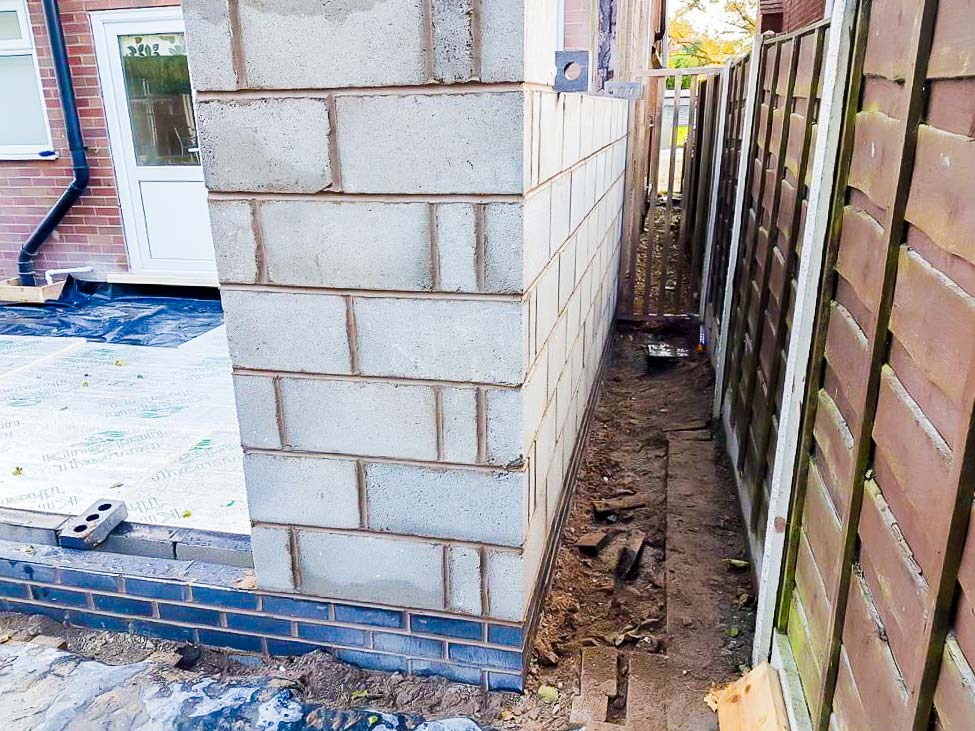
Starting a building project is an exciting milestone. Whether you’re extending your home, renovating an existing space or embarking on a new build, the first week sets the tone for everything that follows.
For many homeowners, it’s also the stage that brings the most uncertainty. Questions such as “What will happen first?”, “Will my home become a building site immediately?” and “How disruptive will it be?” are completely natural.
The good news is that the first week of a professionally managed building project is usually highly organised. Rather than dramatic changes happening overnight, this initial phase is about careful preparation, establishing safe working practices and laying the foundations for a successful build.
In this guide, we’ll walk you through what you can typically expect during the opening week of a residential building project.
Why the First Week Is So Important
Although the visible progress may appear slower than later stages, the first week is one of the most important parts of the entire project.
This is when your builder begins turning the plans into reality while ensuring everything is completed safely, efficiently and with minimal disruption.
Getting these early stages right helps:
- Establish an organised site
- Reduce delays later in the project
- Keep everyone informed
- Ensure work progresses smoothly
- Create a solid foundation for the build
Much of the work completed during the first few days takes place behind the scenes, but it plays a significant role in the overall success of the project.
Meeting the Team and Confirming the Project
Before construction gathers pace, you’ll usually spend time with your builder reviewing the project together.
This allows everyone to confirm:
- The agreed scope of work
- Access arrangements
- Working hours
- Site boundaries
- Material delivery locations
- Any practical considerations around your home
Although many of these discussions may have taken place previously, reviewing everything again on site helps ensure everyone is working from the same understanding before work begins.
Open communication from the outset helps build confidence and avoids misunderstandings later.
Preparing the Site
One of the first visible stages is preparing the working area.
This often includes protecting both the property and surrounding areas before construction starts.
Depending on the project, preparation may involve:
- Installing temporary site fencing where required
- Protecting existing flooring
- Covering furniture and fixtures
- Creating safe access routes
- Setting up storage for tools and materials
Keeping the site organised from day one makes the project safer and helps minimise disruption throughout the build.
Deliveries Begin to Arrive
It’s common for materials and equipment to start arriving during the first week.
These may include:
- Timber
- Bricks
- Blocks
- Steelwork
- Cement
- Insulation
- Site equipment
Experienced builders schedule deliveries carefully to ensure materials arrive when needed without unnecessarily cluttering the site.
You may notice increased activity as suppliers arrive, but this is simply part of preparing for the construction phase.
Setting Up Temporary Facilities
Depending on the size of the project, builders may install temporary facilities to keep the site running efficiently.
These could include:
- Waste disposal arrangements
- Secure storage
- Welfare facilities
- Temporary lighting
- Site signage
Although these are temporary additions, they help maintain a safe and organised working environment throughout the project.
Initial Groundworks
If your project involves an extension or new build, one of the first construction activities is often preparing the ground.
This may include:
- Marking out the build area
- Removing existing surfaces
- Excavation
- Preparing foundation areas
- Levelling the site
At this stage the project may appear messy, but this is a normal and essential part of creating a stable base for the new structure.
Structural Preparation
Projects involving renovations or open-plan living often begin with structural preparation inside the property.
Depending on the design, this could involve:
- Removing internal fixtures
- Carefully opening existing walls
- Preparing areas for structural steel installation
- Supporting existing structures during alterations
Although these tasks may seem disruptive initially, they’re carefully planned to ensure the remainder of the project progresses safely.
Managing Dust and Noise
Many homeowners are understandably concerned about disruption.
While some dust and noise are unavoidable during building work, experienced builders take practical steps to minimise the impact.
This often includes:
- Dust protection
- Keeping work areas tidy
- Removing waste regularly
- Maintaining clear access routes
- Working to agreed hours
Good housekeeping throughout the project benefits both the construction team and the homeowner.
Communication Throughout the Week
One of the biggest differences between a well-managed building project and a stressful one is communication.
During the first week, your builder will usually keep you updated on:
- Progress made
- Work planned for the following days
- Material deliveries
- Any decisions that may need your input
Regular updates provide reassurance and help homeowners feel involved throughout the process.
Health and Safety Remains a Priority
Every construction project should be carried out with safety at the forefront.
This includes protecting:
- Homeowners
- Visitors
- Children
- Pets
- Tradespeople
Simple measures such as secure working areas, organised storage and safe access routes help reduce risks throughout the project.
A tidy site is usually a sign of a well-managed build.
Understanding That Progress Isn’t Always Visible
Many homeowners expect to see dramatic changes immediately.
In reality, the first week often focuses on preparation rather than visible transformation.
Although it may not feel like significant progress is being made, these early tasks provide the foundation for everything that follows.
Once preparation, structural work and groundwork are complete, visible progress often accelerates considerably.
Living at Home During the Build
Many families remain living in their property throughout an extension or renovation.
If this is the case, your builder will usually discuss practical arrangements such as:
- Safe access through the property
- Working hours
- Temporary changes to room usage
- Deliveries
- Parking arrangements
Understanding these practicalities beforehand makes the first week far less stressful.
Setting Realistic Expectations
Every building project is different.
Weather conditions, property type and project complexity all influence how quickly work progresses.
Rather than focusing on day-to-day changes, it’s helpful to view the project as a series of stages.
Each completed stage builds towards the finished result, even if the biggest visual improvements don’t appear until later.
Why Choosing an Experienced Builder Makes the Difference
The first week demonstrates how a builder manages communication, organisation and workmanship.
Experienced building companies understand that homeowners may feel anxious as work begins.
By maintaining clear communication, keeping the site organised and explaining each stage of the process, they help clients feel informed and confident from day one.
Good preparation not only improves the construction process but also creates a far more enjoyable experience for the homeowner.
Final Thoughts
The first week of a building project is about much more than simply picking up tools and starting construction.
It’s a carefully managed period of preparation, organisation and communication that lays the groundwork for everything that follows.
Understanding what happens during these early stages can remove much of the uncertainty homeowners often feel before work begins.
By choosing an experienced builder and knowing what to expect, you can approach your project with confidence and look forward to seeing your plans become reality.
Let's build something together
If you’re considering a building project, working with an experienced building and joinery team ensures your project is handled professionally from start to finish.