

A full home renovation is an exciting opportunity to transform how your home looks, feels, and functions. Whether you’re modernising an older property or adapting a home to suit changing needs, understanding the renovation process is essential to achieving the best results.
This guide walks through each stage of a full home renovation, helping homeowners understand what’s involved and how to prepare.
Stage 1: Defining Your Renovation Goals
Every successful renovation starts with clear objectives. Before any plans are drawn up, consider:
- What isn’t working in your current layout
- How you want the space to function long-term
- Whether the renovation is for lifestyle, value, or both
This stage sets the direction for the entire project.
Stage 2: Design, Layout and Structural Planning
Once your goals are clear, the design stage begins. This may involve:
- Architectural drawings
- Structural calculations
- Planning layout changes
- Considering open-plan living or extensions
At this stage, builders often work alongside architects and structural engineers to ensure designs are practical and buildable.
Stage 3: Budgeting and Timescales
A realistic budget is crucial. Full renovations can vary widely depending on:
- Property size
- Structural work required
- Specification of finishes
- Joinery and bespoke elements
A reputable builder will help you understand costs clearly and advise where value can be added or savings made.
Stage 4: Structural and Enabling Works
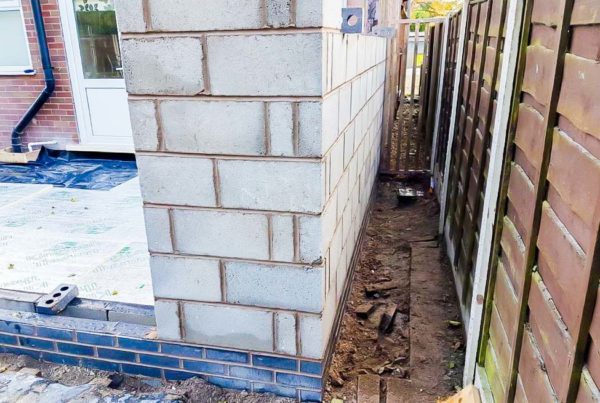
Once work begins, the initial phase often focuses on structural changes, such as:
- Removing or altering load-bearing walls
- Installing steel beams
- Reconfiguring internal layouts
- Addressing any hidden issues
This stage lays the foundation for the rest of the renovation.
Stage 5: First Fix Works
First fix involves all the work that sits behind walls and floors, including:
- Plumbing
- Electrical wiring
- Heating systems
- Insulation
Although largely unseen, this stage is vital for long-term performance and efficiency.
Stage 6: Joinery, Finishes and Second Fix
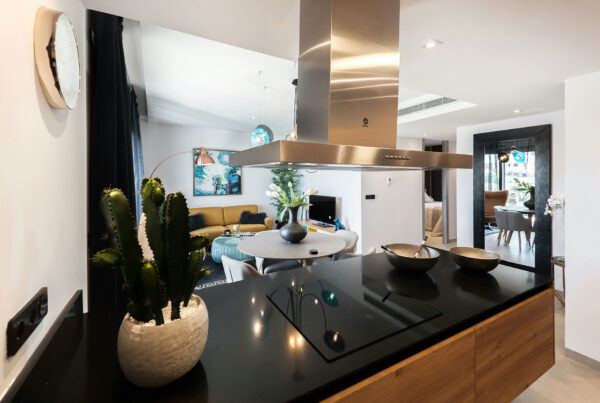
This is where the transformation becomes visible. Second fix includes:
- Bespoke joinery
- Doors and staircases
- Kitchens and bathrooms
- Flooring, tiling, and decorating
Attention to detail at this stage defines the final quality of the renovation.
Stage 7: Final Inspections and Completion
Before handover, a professional builder will:
- Complete snagging checks
- Ensure compliance with building regulations
- Walk through the project with the homeowner
- Provide any relevant documentation
This ensures everything is finished to the agreed standard.
Living in Your Home During a Renovation
Some homeowners choose to live on-site during renovations, while others move out temporarily. A good builder will:
- Minimise disruption
- Maintain site safety
- Clearly communicate noisy or disruptive stages
Planning this early helps reduce stress during the build.
Why Experience Matters in Full Renovations
Renovations often uncover unexpected challenges, especially in older properties. Experienced builders can:
- Identify issues early
- Offer practical solutions
- Keep projects moving efficiently
This expertise is invaluable in keeping timelines and budgets under control.
Final Thoughts
A full home renovation is a major undertaking, but with the right planning and the right builder, it can be a smooth and rewarding experience. Understanding each stage of the process helps homeowners make informed decisions and achieve the best possible outcome.
Let's build something together
If you’re considering renovating your home, working with an experienced building and joinery team ensures your project is handled professionally from start to finish.